International business opens the door to a world of diverse markets and cultural exchanges that drive the global economy forward. This field encompasses a wide array of activities such as trade, investment, and collaboration among different nations, making it pivotal for companies aiming to expand their reach beyond domestic borders. Engaging in international business not only allows organizations to tap into new customer bases but also fosters innovation and competitiveness through exposure to varying consumer behaviors and market demands.
The significance of international business lies in its ability to connect economies and create a platform for shared growth, while also presenting unique challenges that require a nuanced understanding of different market dynamics and cultural contexts.
Introduction to International Business
International business refers to the exchange of goods, services, and capital across international borders. It plays a vital role in the global economy by facilitating trade, promoting economic growth, and fostering innovation. As markets become increasingly interconnected, understanding international business becomes essential for companies seeking to expand their reach and compete on a global scale.The key components that comprise international business operations include trade agreements, foreign direct investment, international marketing, and cross-border logistics.
Each of these components works together to enable businesses to operate effectively in diverse markets, addressing cultural, legal, and economic challenges that differ from those found in domestic operations. The ability to navigate these complexities is crucial for success in the international arena.
For professionals seeking to enhance their careers, pursuing an MBA in Supply Chain Management can be a transformative step. This specialized degree equips individuals with the knowledge and skills necessary to navigate the complexities of supply chains in today’s global market. Furthermore, if you’re considering flexible study options, exploring the part-time MBA programs ranking can help you find the best fit for your schedule and career aspirations.
Differences Between Domestic and International Business Practices
The differences between domestic and international business practices are significant and can affect strategy, operations, and overall business performance. Understanding these distinctions is critical for companies that aim to engage successfully in international markets.Domestic business typically operates within a single country, where regulations, economic conditions, and cultural factors are relatively stable and uniform. In contrast, international business must contend with a variety of factors that can vary widely across countries.
These include:
- Cultural Variations: International businesses encounter diverse cultural norms and practices that influence consumer behavior, communication styles, and management approaches.
- Regulatory Frameworks: Different countries have varying laws and regulations governing trade, taxation, labor, and environmental standards, which can impact operational strategies.
- Currency Fluctuations: Exchange rate volatility can affect pricing strategies, profit margins, and financial planning, requiring businesses to implement robust financial risk management practices.
- Market Entry Strategies: Businesses must carefully consider how to enter foreign markets, whether through exporting, joint ventures, or wholly-owned subsidiaries, each with its own set of challenges and benefits.
- Logistics and Supply Chain Management: Managing supply chains across borders involves complexities such as customs regulations, transportation costs, and geopolitical risks.
Each of these differences highlights the need for businesses to adapt their strategies when entering international markets. Understanding local customs, legal systems, and economic environments can significantly enhance a company’s ability to thrive globally. Furthermore, as the global landscape continues to evolve, businesses must remain agile and responsive to changing conditions in order to maintain their competitive edge.
“International business is not just a matter of exporting goods; it encompasses a wide range of activities that require a deep understanding of global markets and cross-cultural interactions.”
The Globalization of Markets
The globalization of markets refers to the increasing interconnectedness of national economies and the expansion of businesses beyond their domestic borders. This phenomenon has been significantly influenced by various factors that facilitate international trade and investment. Understanding the elements that contribute to market globalization is essential for businesses aiming to thrive in a competitive global environment.One of the primary factors promoting market globalization is the advancement of technology, which has transformed communication and logistics.
Businesses can now operate across borders with greater efficiency and lower costs, thanks to innovations such as the internet, e-commerce platforms, and digital payment systems. Furthermore, global supply chains have become more streamlined, allowing companies to source materials and distribute products internationally with ease.
Factors Contributing to Market Globalization
Several key elements contribute to the process of market globalization, which allows businesses to operate on an international scale. Recognizing these factors is crucial for understanding the dynamics of global markets:
- Trade Liberalization: The reduction of tariffs and trade barriers encourages countries to engage in international trade, enhancing market access for businesses.
- Technological Advancements: Innovations in information technology and transportation have revolutionized how businesses interact globally, making it easier to manage operations across different countries.
- Market Expansion: Companies seek new markets to diversify their consumer base and increase revenue, thereby facilitating the globalization of their operations.
- Investment Flows: Foreign direct investment (FDI) allows businesses to establish a presence in foreign markets, contributing to economic growth and integration.
- Consumer Demand: Increasing consumer appetite for diverse products and services drives businesses to explore global opportunities for growth.
Influence of Technology on International Business Expansion
Technology plays a pivotal role in facilitating international business expansion. The digital landscape has reshaped how companies approach global markets and has significantly lowered barriers to entry. Companies can now leverage various technologies to enhance their global operations:The internet has provided a platform for e-commerce, enabling businesses to reach customers worldwide without the constraints of physical storefronts. Social media facilitates targeted marketing and brand awareness, allowing businesses to engage with potential customers in different regions.
Furthermore, advancements in logistics technology optimize supply chain management, reducing costs and improving delivery times, which are critical factors for international competitiveness.
Role of Consumer Behavior in Different International Markets
Understanding consumer behavior in various international markets is essential for businesses seeking to tailor their products and marketing strategies effectively. Cultural differences, economic conditions, and social norms influence purchasing decisions in diverse markets.Each market presents unique challenges and opportunities. For instance, preferences for product features may vary significantly between regions; while consumers in one country may prioritize quality, others may focus on price.
Additionally, brand loyalty can differ, with some markets favoring local brands over international ones. Therefore, businesses must conduct thorough market research to adapt their offerings to meet the needs and expectations of consumers in different countries.
“In a globalized world, understanding the nuances of consumer behavior is as vital as the product itself.”
International Trade Theories
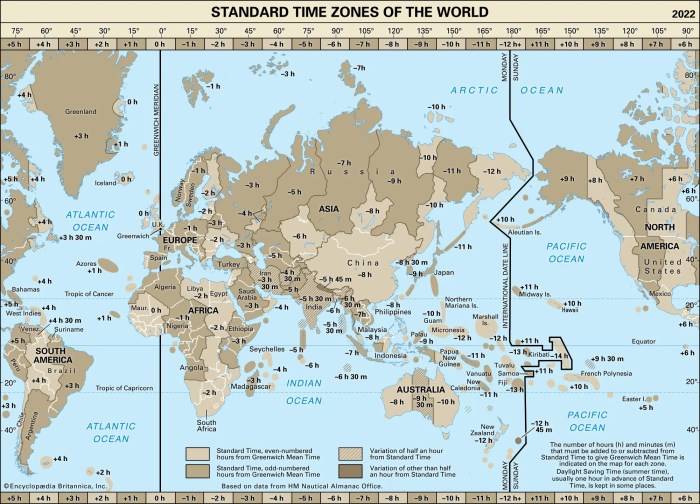
International trade theories provide the foundational understanding of how countries engage in the exchange of goods and services across borders. These theories help explain the motivations behind trade, the benefits derived from international exchanges, and the ways in which economies can optimize their production and consumption. By examining classical and modern trade theories, one can appreciate the evolution of thought surrounding international trade and its implications in global commerce.
Overview of Classical and Modern Trade Theories
Classical trade theories, which emerged in the 18th and 19th centuries, primarily include concepts introduced by economists such as Adam Smith and David Ricardo. Adam Smith’s theory of absolute advantage posited that if a country could produce a good more efficiently than another, it should specialize in that good and trade with others. On the other hand, David Ricardo’s comparative advantage theory suggested that even if a country is less efficient in producing all goods, it can still benefit from trade by specializing in goods where it has a relative efficiency advantage.Modern trade theories build upon these classical foundations and consider additional factors such as economies of scale, market structures, and the role of technology.
The Heckscher-Ohlin model, for instance, emphasizes the factor endowments of countries—land, labor, and capital—as determinants of comparative advantages. New trade theories, which emerged in the late 20th century, further explore the implications of imperfect competition and network effects, illustrating how large firms may dominate specific sectors.
Comparison of Absolute Advantage and Comparative Advantage
The distinction between absolute advantage and comparative advantage is critical to understanding trade dynamics. Absolute advantage refers to the ability of a country to produce more of a good or service with the same amount of resources than another country. For instance, if Country A can produce 10 tons of wheat using the same resources that Country B uses to produce 5 tons, Country A has an absolute advantage in wheat production.
Comparative advantage, however, exists when a country can produce a good at a lower opportunity cost compared to another country. This means that even if Country B is less efficient in absolute terms in producing both wheat and cloth, it may still benefit from specializing in cloth if its relative disadvantage in wheat is smaller.
“The principle of comparative advantage ensures that countries can benefit from trade by specializing in goods where they hold a relative efficiency advantage.”
This difference highlights that trade can be beneficial even when one party is less efficient overall in production, as long as the opportunity costs differ.
Impact of Trade Barriers on International Business
Trade barriers, which include tariffs, quotas, and non-tariff measures, significantly influence international business operations and trade relations. These barriers can distort competition, alter product pricing, and impact supply chains.
1. Tariffs
Imposed taxes on imported goods raise the cost of foreign products, making domestic goods relatively more attractive. For example, if Country X imposes a 10% tariff on automobiles, the price increase may lead consumers to prefer domestically produced cars, thereby protecting local manufacturers but potentially leading to higher prices for consumers.
2. Quotas
These limits on the quantity of goods that can be imported restrict availability and can lead to shortages in some markets. For instance, a quota on textile imports may protect local manufacturers but reduce choices for consumers and increase prices.
As you contemplate advancing your education, an MBA in Supply Chain Management stands out as a vital option. This program is designed to provide a comprehensive understanding of logistics and operations, essential for any aspiring leader in the field. Additionally, for those balancing work and study, reviewing the part-time MBA programs ranking offers valuable insights into programs that accommodate your professional commitments while promoting academic success.
3. Non-tariff barriers
Regulatory standards, government procurement policies, and licensing requirements can create hurdles for foreign competitors. For example, stringent safety regulations may prevent foreign products from entering a market, impacting international competitiveness.
“Trade barriers can create inefficiencies in international markets, limiting consumer choices and stifling competition.”
The cumulative effect of these barriers can lead to increased costs for businesses and consumers, reduced trade flows, and strained international relations. In an increasingly interconnected world, the implications of trade barriers highlight the need for strategic management of international trade policies to foster beneficial economic interactions.
Cross-Cultural Management
In today’s increasingly globalized business environment, cross-cultural management has emerged as a critical element for success. Understanding cultural differences enables organizations to navigate international markets effectively, fostering better relationships and driving collaboration across diverse teams. As businesses expand beyond borders, cultural sensitivity becomes essential for minimizing misunderstandings and enhancing productivity.Cultural sensitivity is the awareness and acceptance of the differences that exist among various cultures.
It plays a vital role in international business, as it helps prevent potential conflict and fosters smoother interactions. Key cultural dimensions that affect business interactions include Hofstede’s dimensions of culture, which provide insights into how cultural differences influence workplace behavior and expectations.
Key Cultural Dimensions Affecting Business Interactions
Cultural dimensions illustrate how values in one culture may differ from another, influencing communication styles, decision-making, and overall business etiquette. Understanding these dimensions is foundational to effective cross-cultural management. The following key dimensions are particularly impactful:
- Power Distance: This dimension reflects how power is distributed and accepted within a culture. In high power distance cultures, hierarchical structures are prevalent, while low power distance cultures favor egalitarianism.
- Individualism vs. Collectivism: Individualistic cultures prioritize personal achievements and autonomy, whereas collectivist cultures emphasize group harmony and collective responsibility.
- Uncertainty Avoidance: Cultures with high uncertainty avoidance prefer structured circumstances and clear rules, while those with low avoidance are more open to ambiguity and change.
- Masculinity vs. Femininity: Masculine cultures value competitiveness and achievement, while feminine cultures prioritize collaboration and quality of life.
- Long-term vs. Short-term Orientation: Cultures with a long-term orientation focus on future rewards and persistence, whereas short-term oriented cultures value immediate results and traditions.
Effective communication in multicultural environments is paramount to ensuring that diverse teams can collaborate successfully. Misinterpretations and assumptions can derail negotiations and damage relationships, but implementing strategies for clear communication can mitigate these risks.
Strategies for Effective Communication in Multicultural Environments
To enhance communication across cultures, businesses should adopt tailored strategies that accommodate diverse backgrounds. The following approaches can facilitate clearer interactions:
- Active Listening: Encourage team members to practice active listening, which includes reflecting back what has been said to ensure understanding and show respect for differing perspectives.
- Use of Clear Language: Avoid jargon, idioms, or complex vocabulary that may be misunderstood. Opt for simple and straightforward language to convey messages clearly.
- Non-verbal Communication Awareness: Be attentive to non-verbal cues, as gestures, facial expressions, and body language can vary significantly across cultures, affecting the meaning of communication.
- Encourage Feedback: Establish an open environment where team members feel comfortable providing feedback, allowing for adjustments in communication styles as needed.
- Cross-Cultural Training: Implement training programs that educate employees about different cultural norms and effective communication techniques, fostering a culture of inclusivity and respect.
International Marketing Strategies
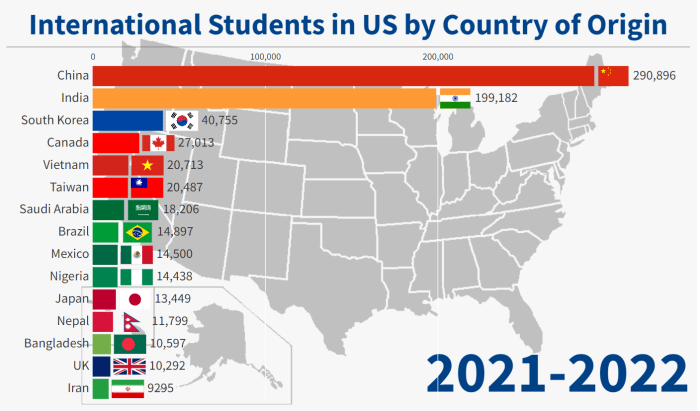
Developing successful international marketing strategies involves a comprehensive understanding of diverse global markets and the unique challenges they present. Businesses must navigate cultural differences, economic conditions, and consumer behaviors to effectively position their products and brand across various regions. By understanding the critical components of an international marketing strategy, organizations can create tailored approaches that resonate with local consumers while maintaining a cohesive global brand identity.The elements of an international marketing strategy include market research, segmentation, targeting, positioning, and the marketing mix, commonly known as the 4Ps: Product, Price, Place, and Promotion.
Each of these elements plays a crucial role in determining how a business approaches international markets and adapts to various market demands.
Adaptation of Products to Meet Diverse Market Needs
Adapting products for international markets is essential to meet the specific needs and preferences of local consumers. This process involves modifying existing products or developing new ones that cater to cultural, economic, and regulatory differences. The following methods are effective in achieving product adaptation:
- Customization: Tailoring products to align with local tastes and preferences. For example, McDonald’s offers localized menu items, such as the McAloo Tikki in India, to cater to local dietary preferences.
- Regulatory Compliance: Ensuring that products meet local regulations and standards. For instance, food and beverage companies must adapt their formulations to comply with local health regulations and ingredient restrictions.
- Packaging Adjustments: Modifying packaging to appeal to local aesthetics or functionalities. In some cultures, certain colors or designs hold specific meanings, which businesses need to consider when designing product packaging.
The Role of Branding and Positioning in International Markets
Branding and positioning are integral to establishing a strong presence in international markets. Effective branding goes beyond just a logo or tagline; it encompasses the overall perception of a brand in the minds of consumers. Positioning involves creating a distinct image and identity for a brand relative to its competitors.Key aspects of branding and positioning in international markets include:
- Consistent Brand Messaging: Maintaining a unified brand message across different markets ensures coherence while allowing for localized adaptations. Coca-Cola, for instance, retains its core brand identity while tailoring advertising messages to resonate with local cultures.
- Emotional Connection: Building emotional ties with consumers can significantly enhance brand loyalty. Brands like Nike often incorporate local athletes and cultural references in their marketing campaigns to establish a deeper connection with target audiences.
- Strategic Positioning: Identifying and communicating unique selling propositions (USPs) can differentiate a brand in competitive landscapes. A luxury car brand, for example, may position itself based on quality and prestige, appealing to affluent consumers in emerging markets.
“Successful international marketing strategies require a deep understanding of local markets, combined with a consistent global brand identity.”
Through thorough market research and a strategic approach to adaptation, branding, and positioning, organizations can effectively navigate the complexities of international marketing and achieve sustainable growth across diverse global markets.
Global Supply Chain Management
Global Supply Chain Management (GSCM) encompasses the planning and execution of supply chain operations on a global scale. It integrates various components, including procurement, logistics, and distribution, to enhance efficiency and customer satisfaction in international markets. Effective GSCM is critical for businesses aiming to optimize costs and improve service levels while navigating the complexities of global trade.The components of a global supply chain are diverse and interconnected, contributing to the smooth flow of goods and services across borders.
Key elements include:
- Supplier Management: Identifying and collaborating with global suppliers to ensure quality and timely delivery of materials.
- Logistics and Transportation: Coordinating the movement of goods through various transportation modes, including air, sea, and land.
- Inventory Management: Balancing inventory levels to meet demand while minimizing carrying costs and stockouts.
- Distribution Networks: Establishing efficient routes and mechanisms for delivering products to end-users in different regions.
- Information Technology Systems: Utilizing advanced software and systems to monitor and manage supply chain processes in real-time.
Managing international logistics presents numerous challenges that can impact the effectiveness of global supply chains. These challenges include regulatory compliance, customs clearance, fluctuating transportation costs, and varying quality standards across countries. Additionally, geopolitical issues, such as trade tariffs and sanctions, can disrupt supply chain operations. Companies must navigate these complexities to maintain efficiency and competitiveness.Effective supply chain strategies vary by region, reflecting local market conditions and operational capabilities.
For instance:
- Asia-Pacific Region: Companies like Toyota utilize Just-In-Time (JIT) inventory management to reduce waste and improve responsiveness to market demand.
- North America: Amazon employs advanced data analytics and robotics in its warehouses to enhance efficiency and speed in order fulfillment.
- Europe: Unilever focuses on sustainability in its supply chain, implementing eco-friendly practices to meet regulatory requirements and consumer preferences.
“An efficient global supply chain is not just about cost-cutting; it’s about creating value and ensuring customer satisfaction across diverse markets.”
In summary, Global Supply Chain Management is a multifaceted discipline that requires a thorough understanding of various components, challenges, and regional strategies. By leveraging effective practices, organizations can enhance their global operations and achieve long-term success in the international arena.
Foreign Direct Investment (FDI)
Foreign Direct Investment (FDI) refers to the investment made by a firm or individual in one country in business interests or assets in another country. This can involve the establishment of business operations or the acquisition of business assets, including stakes in foreign companies. FDI is a vital component of international business as it allows for the transfer of capital, technology, and management expertise across borders, facilitating economic growth in host countries.FDI can be categorized into three primary types: greenfield investments, mergers and acquisitions, and joint ventures.
Greenfield investments involve establishing a new business operation from the ground up in the host country. Mergers and acquisitions entail purchasing or merging with an existing foreign company, allowing for rapid access to new markets. Joint ventures are collaborative arrangements between foreign and local firms to share resources and expertise within a new venture.
Advantages and Disadvantages of FDI for Host Countries
Foreign Direct Investment presents both advantages and disadvantages to host countries, influencing their economic landscape significantly. Understanding these factors is crucial for policymakers and stakeholders in evaluating the impacts of FDI.The advantages of FDI include:
- Economic Growth: FDI contributes to economic development by creating jobs, increasing capital investment, and enhancing productivity.
- Technology Transfer: Multinational corporations often bring advanced technologies and practices, fostering innovation in the host country.
- Improved Infrastructure: Foreign firms may invest in related infrastructure, such as transportation and communication, benefiting the broader economy.
Conversely, the disadvantages of FDI may consist of:
- Market Dominance: Large foreign firms can overshadow local businesses, potentially leading to monopolistic practices.
- Profit Repatriation: Profits earned by foreign firms may be repatriated, resulting in capital flight and reduced local investment.
- Environmental Concerns: Foreign investors may prioritize profit over environmental sustainability, leading to ecological degradation.
Factors Influencing Investment Decisions in International Markets
Several factors influence a company’s decision to engage in Foreign Direct Investment, guiding their strategies when entering international markets. These factors can be categorized into economic, political, and social considerations, all of which play a critical role in shaping investment opportunities.Economic factors include:
- Market Size and Growth Rate: Companies are attracted to markets with significant growth potential and a large consumer base.
- Labor Costs: Competitive labor costs can incentivize companies to invest in regions where operational expenses are lower.
- Infrastructure Quality: Adequate infrastructure supports efficient business operations and logistics.
Political and regulatory factors encompass:
- Stability and Governance: A stable political environment encourages investment, while instability deters it.
- Investment Policies: Favorable policies, such as tax incentives and protection of foreign investments, can attract FDI.
- Trade Agreements: Bilateral and multilateral agreements can facilitate easier access to markets.
Lastly, social factors include:
- Cultural Compatibility: Understanding local culture can enhance business relations and operational success.
- Consumer Preferences: Companies assess local consumer behavior to tailor their marketing strategies effectively.
- Workforce Skills: A skilled labor force is essential for the efficient functioning of foreign investments.
International Business Law and Ethics
International business law encompasses the legal frameworks that govern trade and investment across borders. Understanding these laws is crucial for businesses engaged in international operations, as they navigate various regulatory environments and ensure compliance with both local and international norms. Ethical considerations also play a vital role in maintaining trust and integrity in global business operations, shaping not only corporate practices but also public perception and customer loyalty.
Legal Frameworks Governing International Business Transactions
International business transactions are regulated by a complex interplay of local laws, international treaties, and customary international law. Key elements of this legal framework include:
- National Laws: Each country has its own set of laws that govern contracts, trade, and investment. Businesses must comply with these laws in their operational jurisdictions.
- International Treaties: Treaties such as the North American Free Trade Agreement (NAFTA) and the General Agreement on Tariffs and Trade (GATT) establish rules for trade between countries, aiming to reduce barriers and promote fair competition.
- International Organizations: Institutions like the World Trade Organization (WTO) and the International Monetary Fund (IMF) provide guidelines and frameworks that influence international business practices.
- Arbitration Laws: Many international contracts include arbitration clauses that specify dispute resolution methods, often favoring arbitration over litigation in local courts.
Ethical Considerations in Global Business Operations
Ethical business practices are essential in fostering sustainable relationships with stakeholders in a global context. Companies are increasingly held accountable for their actions and must consider:
- Corporate Social Responsibility (CSR): Businesses are expected to contribute positively to society, which includes environmental stewardship and fair labor practices.
- Bribery and Corruption: Ethical guidelines discourage giving or receiving bribes, with many countries enforcing strict anti-corruption laws that impact international operations.
- Transparency: Ethical businesses prioritize clear communication and transparency in their dealings, promoting trust with customers and partners.
- Cultural Sensitivity: Understanding and respecting cultural differences is vital in ethical decision-making, ensuring that business practices align with local values and customs.
Major International Treaties Affecting Business Practices, International business
Several key international treaties significantly influence global business practices. These treaties foster cooperation and establish legal standards among nations, including:
- United Nations Convention on Contracts for the International Sale of Goods (CISG): This treaty provides a uniform framework for international sale contracts, promoting consistency and reducing legal uncertainties.
- Trade-Related Aspects of Intellectual Property Rights (TRIPS): Part of the WTO agreements, TRIPS sets minimum standards for the protection of intellectual property rights, ensuring that creators are compensated for their work.
- Paris Agreement: While primarily focused on climate change, this agreement influences business operations, encouraging companies to adopt sustainable practices and reduce environmental impact.
Risk Management in International Business
In the realm of international business, risk management is a critical component that organizations must address to ensure long-term success and sustainability. The complexities of operating across different countries and cultures introduce various risks that can impact profitability and operational efficiency. Understanding these risks and employing effective management strategies is essential for navigating the global marketplace.The types of risks associated with international business ventures can be broadly categorized into political, economic, and operational risks.
Each of these categories presents unique challenges and requires specific strategies for mitigation. Organizations must be well-prepared to face these risks to protect their investments and maintain a competitive edge.
Types of Risks in International Business
International businesses encounter several significant risks that can disrupt operations and affect profitability. These risks include:
- Political Risks: These arise from changes in government policy, political instability, or civil unrest in a foreign country. Examples include expropriation of assets, changes in trade regulations, and tariffs that can affect the cost and feasibility of doing business.
- Economic Risks: Fluctuations in economic conditions such as inflation, exchange rates, or recession can impact demand for products and services. Countries experiencing economic downturns may see reduced consumer spending, affecting sales and revenue.
- Operational Risks: These risks stem from internal processes, systems, and people. Factors such as supply chain disruptions, labor shortages, or technological failures can hinder operations and affect service delivery.
- Environmental Risks: Natural disasters, climate change, and environmental regulations can pose risks to international operations. Companies must consider their vulnerability to these events and plan accordingly.
Strategies for Mitigating Political and Economic Risks
Managing political and economic risks is vital for the success of international operations. Companies can adopt several strategies to mitigate these risks effectively:
- Diversification: By diversifying their investments across multiple countries, businesses can reduce their exposure to risk associated with any single market. This strategy spreads risk and provides alternative avenues for revenue generation.
- Political Risk Insurance: Obtaining insurance can protect businesses against losses from political events such as expropriation or political violence. Agencies like Multilateral Investment Guarantee Agency (MIGA) offer such coverage.
- Strategic Alliances: Forming partnerships with local firms can provide valuable insights into the political and economic environment, enhancing risk assessment and management. Local partners may also navigate regulatory landscapes more effectively.
- Regular Monitoring: Implementing a robust monitoring system to track political developments, economic indicators, and market trends can help organizations anticipate risks and respond proactively.
Crisis Management in International Business Scenarios
Crisis management is a crucial aspect of risk management in international business, allowing firms to respond effectively during unforeseen events. Organizations can learn from past crises to strengthen their emergency response plans.A notable example of crisis management can be seen in the response of multinational companies during the COVID-19 pandemic. Many organizations had to rapidly adapt to new operational challenges, supply chain disruptions, and changing consumer behaviors.
Companies like Unilever and Procter & Gamble swiftly modified their production lines to meet the increased demand for hygiene products, demonstrating agility and responsiveness.Another example includes the 2011 Fukushima disaster in Japan, which impacted global supply chains. Numerous companies, including automotive and electronics manufacturers, faced significant operational disruptions. In response, businesses reevaluated their supply chains, implemented redundancy plans, and diversified suppliers to minimize future risks associated with single-source dependencies.
“Effective risk management involves a proactive approach that combines diverse strategies and regular assessment to safeguard against potential challenges in international business.”
Future Trends in International Business
As the landscape of international business evolves, several key trends are shaping operations and strategies across borders. The acceleration of digital transformation, a growing emphasis on sustainability, and the emergence of new markets are pivotal factors influencing the future direction of global commerce. Understanding these trends is crucial for businesses aiming to navigate the complexities of an interconnected world.
Impact of Digital Transformation on International Business Models
Digital transformation is fundamentally reshaping international business models by integrating advanced technologies into operations. Companies are leveraging digital tools to enhance efficiency, improve customer engagement, and expand their global reach. Key aspects of this transformation include:
- Data Analytics: Businesses are utilizing data analytics to understand market trends and consumer behavior, enabling more informed decision-making and targeted marketing strategies.
- Cloud Computing: Cloud technologies facilitate seamless collaboration across geographical boundaries, allowing companies to operate more flexibly and respond quickly to market changes.
- E-commerce Growth: The rise of e-commerce platforms enables businesses to reach customers worldwide, reducing traditional barriers to entry and increasing competition.
- Automation and AI: Automation and artificial intelligence streamline operations, reduce costs, and improve service delivery, making businesses more competitive in the global market.
Role of Sustainability in Shaping Future International Operations
Sustainability is increasingly becoming a central element in international business strategy. Companies are recognizing that sustainable practices not only enhance their brand reputation but also drive innovation and create value. The following points underscore the importance of sustainability in international operations:
- Corporate Social Responsibility (CSR): Businesses are adopting CSR initiatives to address social and environmental challenges, thus building trust with consumers and stakeholders.
- Regulatory Compliance: Governments worldwide are implementing stricter environmental regulations, compelling companies to adopt sustainable practices to remain compliant and competitive.
- Consumer Preferences: Modern consumers increasingly favor brands that prioritize sustainability, influencing companies to integrate sustainable practices into their core operations.
- Innovation in Products and Services: Sustainability drives the development of new products and services that meet ethical standards, thereby opening new markets and enhancing profitability.
Emerging Markets and Opportunities for Growth
Emerging markets present vast opportunities for growth in international business. Regions such as Asia, Africa, and Latin America exhibit rapid economic development and a burgeoning middle class, offering significant potential for investment and expansion. Key insights regarding emerging markets include:
- Economic Growth Rates: Countries like India and Vietnam are experiencing high GDP growth rates, driven by robust consumer demand and favorable demographic trends.
- Digital Adoption: The rapid adoption of mobile technology in emerging markets facilitates access to information and services, creating new business opportunities.
- Investment Opportunities: Sectors such as technology, renewable energy, and infrastructure in emerging markets are attracting foreign direct investment, indicating strong growth potential.
- Global Supply Chain Diversification: Businesses are diversifying their supply chains to mitigate risks and take advantage of lower production costs in emerging markets.
“Sustainability in business is not just about compliance; it’s about leveraging it as a core strategy to drive innovation and competitiveness.”
End of Discussion: International Business

In conclusion, international business represents a vital component of the modern economy, characterized by its complexities and rich opportunities for growth. As markets continue to globalize, businesses must remain agile and culturally aware to navigate the challenges and leverage the advantages this arena presents. The interplay between technology, consumer behavior, and market strategies will undoubtedly shape the future landscape of international business, making it an exciting domain for exploration and innovation.
User Queries
What is the primary goal of international business?
The primary goal of international business is to expand market reach and maximize profit by engaging in trade and investment across borders.
How do cultural differences impact international business?
Cultural differences can significantly impact communication, negotiation, and management styles, affecting relationships and success in international business.
What is a common barrier to international trade?
Tariffs and trade regulations are common barriers that can hinder the free flow of goods and services between countries.
How does technology influence international business?
Technology facilitates communication, enhances logistics, and allows for more efficient market analysis, thereby driving international business expansion.
What role does foreign direct investment play in international business?
Foreign direct investment allows businesses to establish a physical presence in foreign markets, which can lead to greater market share and access to local resources.