MBA for global digital economy presents a unique opportunity for professionals seeking to thrive in an increasingly interconnected and technology-driven world. This advanced degree equips graduates with the essential skills and knowledge required to navigate the complexities of the digital marketplace. By understanding the nuances of globalization and digital transformation, MBA students are prepared to adapt and excel in diverse industries that are rapidly evolving.
As organizations across the globe embrace digital strategies, the role of an MBA becomes pivotal in fostering innovation and resilience. The curriculum is tailored to include essential digital skills and emerging trends, making it a vital component for anyone aspiring to lead in the digital age. Networking opportunities and real-world applications further enhance the learning experience, preparing students for successful careers in a dynamic environment.
Importance of an MBA in the Global Digital Economy

The global digital economy represents a transformative force in how businesses operate and compete. As digital technologies permeate every aspect of business, the need for skilled professionals who can navigate this complex environment has become paramount. An MBA program tailored to the digital economy equips individuals with the strategic thinking, leadership skills, and technical knowledge necessary to thrive in this rapidly evolving marketplace.An MBA provides a comprehensive foundation for understanding the dynamics of the digital economy.
It prepares professionals to leverage data analytics, digital marketing, and technology management to make informed decisions. The curriculum is increasingly designed to incorporate digital innovation, which enables graduates to adapt to the changing business landscape and respond to the global challenges posed by digital disruptions. Furthermore, the integration of global perspectives into MBA programs fosters a comprehensive understanding of international markets and cross-cultural management.
Influence of Globalization on MBA Programs and Curricula
Globalization significantly impacts MBA programs, necessitating a shift towards a more interconnected and diverse curriculum. This influence can be seen through the integration of international business practices and technologies that reflect the realities of a globalized market.The incorporation of globalization in MBA curricula serves to enhance students’ understanding of diverse markets and the complexities of international business operations. This educational approach prepares graduates for roles in multinational corporations and digital enterprises, where cultural sensitivity and strategic adaptability are crucial.
Key aspects of globalization in MBA programs include:
- Emphasis on cross-border collaboration and partnerships, allowing students to work in diverse teams and tackle global challenges.
- Inclusion of case studies from various regions, offering insights into different market dynamics and consumer behaviors.
- Exposure to international networking opportunities, helping students build connections with global industry leaders and practitioners.
- Integration of technology-driven business models that reflect the global shift towards digitalization.
The influence of globalization on MBA programs not only enhances their relevance but also increases students’ competitiveness in the job market, especially in industries heavily reliant on digital technologies.
Successful MBA Graduates in Tech and Digital Sectors
Numerous MBA graduates have successfully transitioned into leadership roles in the tech and digital sectors, exemplifying the effectiveness of MBA programs in preparing individuals for modern challenges. These success stories highlight the potential of an MBA in cultivating innovative leaders who drive digital transformation within organizations.One notable example is Satya Nadella, CEO of Microsoft, who earned his MBA from the University of Chicago Booth School of Business.
Under his leadership, Microsoft has undergone significant digital transformation, embracing cloud computing and AI technologies to reposition itself as a leader in the tech industry.Another example is Shantanu Narayen, CEO of Adobe, who holds an MBA from the University of California, Berkeley. Narayen has led Adobe’s evolution from traditional software products to a robust cloud-based service model, showcasing how an MBA can provide the strategic insight necessary to adapt to changing market demands.In addition, graduates from institutions like Stanford and Harvard are founding and scaling successful tech startups, demonstrating the critical role of an MBA in fostering entrepreneurial skills and technological innovation.
“An MBA equips individuals with the strategic mindset required to navigate the complexities of the global digital economy.”
The success of these individuals underscores the importance of an MBA in shaping future leaders who can effectively harness the opportunities presented by the digital economy.
Key Skills Developed Through an MBA for Digital Business
The landscape of business is rapidly evolving with the integration of digital technologies, making it imperative for professionals to acquire specific skills that are essential to thrive in this environment. An MBA program focused on the global digital economy equips students with a comprehensive skill set that addresses the demands of digital business, encompassing both technical competencies and soft skills necessary for effective leadership and collaboration.A crucial aspect of MBA programs is the emphasis on digital skills that are pivotal for success in contemporary business settings.
These skills not only enhance individual capabilities but also contribute significantly to organizational growth and innovation.
Essential Digital Skills Taught in MBA Programs
MBA programs increasingly prioritize digital skills to prepare students for the challenges of the digital economy. The importance of these skills cannot be overstated, as they empower graduates to navigate and excel in an increasingly technology-driven business landscape. Some of the core digital skills developed through an MBA include:
- Data Analytics: Proficiency in data interpretation and analysis aids decision-making processes, allowing professionals to derive actionable insights from vast amounts of information.
- Digital Marketing: Understanding digital marketing strategies, including , social media marketing, and content creation, enables businesses to effectively engage with their target audiences.
- E-commerce Management: Knowledge of e-commerce platforms and their operational frameworks is essential for businesses looking to expand their digital presence.
- Cybersecurity Awareness: Recognizing potential cyber threats and implementing security measures is crucial for protecting sensitive business data.
Teamwork and Leadership Skills in a Digital Context
The capability to work effectively in teams and lead diverse groups is paramount in a digital business environment. MBA programs foster these skills through collaborative projects and leadership training. In the digital realm, traditional hierarchies may shift, necessitating a more flexible and adaptive leadership approach. Key elements that enhance teamwork and leadership in a digital context include:
- Cross-functional Collaboration: Engaging with team members from various disciplines fosters creativity and drives innovative solutions.
- Remote Team Management: Skills in managing virtual teams are essential as remote work becomes more prevalent; this includes utilizing digital tools for communication and project management.
- Emotional Intelligence: Developing emotional intelligence enhances leaders’ ability to empathize with team members, facilitating better communication and conflict resolution.
Enhancing Analytical Thinking and Problem-solving in Digital Business Settings
Analytical thinking and problem-solving are critical skills in the digital economy, where data-driven decisions can significantly impact business outcomes. MBA programs cultivate these skills through case studies, simulations, and real-world projects that challenge students to analyze complex problems and devise effective solutions.To enhance analytical thinking and problem-solving capabilities, several strategies are emphasized:
- Critical Thinking Exercises: Engaging in exercises that require evaluation of various scenarios sharpens decision-making abilities.
- Real-world Case Studies: Analyzing successful and failed business strategies provides insights into best practices and potential pitfalls.
- Simulation Software: Utilizing simulation tools allows students to experiment with different business models and strategies in a controlled environment.
By focusing on these key skills, MBA programs prepare graduates to tackle the complexities of the global digital economy, equipping them with the knowledge and competencies needed to lead and innovate in the ever-evolving business landscape.
Curriculum Trends in MBA Programs Focusing on Digital Economy
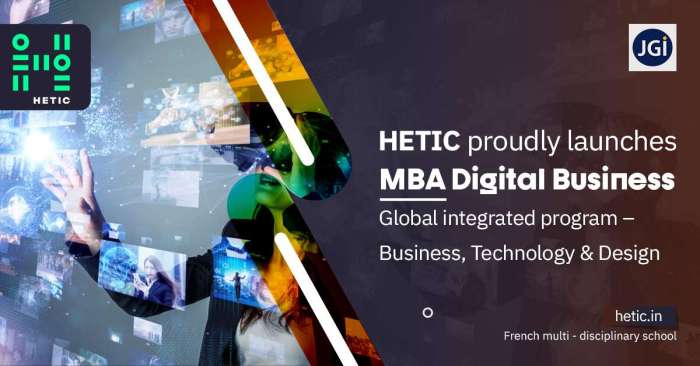
As the global digital economy continues to evolve, MBA programs are adapting their curricula to prepare future leaders for the challenges and opportunities presented by digital transformation. Educational institutions are integrating innovative subjects that address technological advancements and their applications in business. This dynamic shift emphasizes the importance of equipping students with the knowledge and skills necessary to thrive in a rapidly changing digital landscape.Emerging subjects in MBA curricula are increasingly focusing on various aspects of digital transformation, such as digital marketing, e-commerce, blockchain technology, artificial intelligence (AI), and machine learning.
These subjects not only address current trends but also prepare students to anticipate future developments in the digital economy. The integration of technology and data analytics into traditional business courses is essential, as it enhances decision-making processes and drives strategic initiatives in organizations.
Emerging Subjects in MBA Curricula
The following subjects have gained prominence in MBA programs, reflecting the critical skills needed in the digital economy:
- Digital Marketing: This subject covers contemporary marketing strategies leveraging digital platforms, focusing on social media, , and content marketing.
- Data Analytics for Business: Students learn how to analyze and interpret data to make informed business decisions, enhancing their analytical capabilities.
- Blockchain and Cryptocurrencies: An exploration of blockchain technology, its applications in various industries, and the rise of cryptocurrencies in financial markets.
- Artificial Intelligence in Business: This course examines AI technologies, their implementation, and the ethical considerations involved in their use in business environments.
- Cybersecurity Management: Focusing on the importance of protecting digital assets, students learn strategies to safeguard organizations against cyber threats.
Integrating technology and data analytics into traditional business courses enhances their relevance in the modern economy. Business courses such as finance, operations, and human resource management are being restructured to incorporate these critical elements.
Integration of Technology and Data Analytics
The evolution of business operations has necessitated the integration of technology and data analytics into core MBA subjects. This integration not only provides students with a comprehensive understanding of modern business practices but also enables them to leverage technology for strategic advantage.Key areas of integration include:
- Financial Analytics: Courses now emphasize the use of data analytics tools to inform investment decisions and financial forecasting.
- Operations Management with Technology: Focus is placed on optimizing supply chains and production processes through the use of digital tools and data analytics.
- Human Resources and Talent Analytics: This course equips students with the ability to analyze workforce data to improve hiring practices and employee retention.
Comparison of MBA Programs Emphasizing Digital Economy Themes
The increasing focus on the digital economy has led various institutions to design specialized MBA programs. Below is a comparison table showcasing different MBA programs that emphasize themes related to the digital economy:
| University | Program Name | Key Features |
|---|---|---|
| Harvard University | MBA with a focus on Digital Transformation | Strong emphasis on leadership in technology-driven environments, case studies in digital innovation. |
| Stanford University | MBA in Digital Business | Curriculum integrates technology with traditional business disciplines, partnerships with tech firms. |
| Columbia University | MBA in Data Science for Business | Focus on analytics and data-driven decision-making, practical projects with real organizations. |
| University of Pennsylvania (Wharton) | MBA with a concentration in Operations and Information Management | Strong analytical tools for managing digital operations and data analytics. |
| Massachusetts Institute of Technology (MIT) | MBA in Digital Technology | Interdisciplinary approach combining technology, business, and social impact. |
These programs represent a diverse array of approaches to integrating digital economy themes into traditional MBA curricula, providing students with the necessary tools to excel in today’s business landscape.
Networking Opportunities in a Global Digital Landscape
In today’s interconnected world, networking has become an essential component of professional growth, especially within the global digital economy. The ability to form meaningful connections can significantly enhance career prospects and business opportunities. Leveraging these networks effectively can lead to valuable insights, collaborations, and pathways to success in the digital realm.A strategic approach to networking involves various platforms and methods, particularly in the context of alumni networks and social media.
Alumni networks are a powerful resource that can provide both support and guidance. These networks often consist of individuals who have shared educational experiences and can offer unique insights into industry trends and best practices in the digital economy.
Leveraging Alumni Networks for Digital Business Insights
Alumni networks serve as a vital resource for accessing industry knowledge and building professional relationships. To maximize the benefits of these networks, consider the following strategies:
- Engage with Alumni Platforms: Utilize alumni associations and online platforms to connect with fellow graduates. Participate in forums, webinars, and events designed specifically for alumni, which can facilitate knowledge exchange and collaboration.
- Participate Actively: Attend alumni events, both virtual and in-person, to expand your network. Engaging in discussions and asking questions can enhance your visibility and strengthen connections.
- Seek Mentorship Opportunities: Approach more experienced alumni for mentorship. This can provide invaluable guidance on navigating the digital landscape and allow for knowledge sharing.
- Share Insights: Contribute your own expertise and insights back to the network. Sharing relevant content, articles, or experiences can establish you as a thought leader within the community.
Networking is not limited to alumni connections, as social media has become a critical tool for building professional relationships. By adopting an intentional approach, individuals can harness the power of platforms like LinkedIn, Twitter, and Facebook to enhance their professional presence.
Utilizing Social Media for Building Professional Connections in the Digital Economy
Social media offers a vast array of opportunities for networking and establishing professional connections. The following tips underline the importance of a strategic social media presence:
- Create a Professional Profile: Ensure your profiles reflect your career aspirations and expertise. Include relevant skills, experiences, and endorsements to project a strong professional image.
- Follow Industry Leaders: Connect with key influencers and thought leaders in your field. Engaging with their content can lead to meaningful interactions and broaden your professional network.
- Participate in Online Discussions: Join groups related to your industry on platforms such as LinkedIn and contribute thoughtfully to discussions. This engagement demonstrates your expertise and allows you to connect with like-minded professionals.
- Network Through Content Sharing: Share articles, insights, or relevant news on your profile to initiate conversations. This can attract attention from others in your field and foster connections.
Networking events provide exceptional opportunities for career advancement, often leading to significant impacts on professional trajectories. Case studies of notable events illustrate their importance in the global digital landscape.
Influential Networking Events and Their Impacts on Career Growth
Networking events designed for the digital economy have proven effective in shaping careers. Analyzing successful case studies offers insights into their potential:
- Tech Conferences: Events like CES (Consumer Electronics Show) and Mobile World Congress bring together industry leaders, innovators, and entrepreneurs. Participants have reported securing partnerships and job offers directly through connections made during these conferences.
- Startup Networking Events: Programs such as Startup Grind and local pitch competitions provide platforms for entrepreneurs to connect with investors and mentors. Many startups have successfully secured funding and accelerated growth as a result of relationships formed at these events.
- Webinars and Virtual Meetups: In the era of digital transformation, online webinars hosted by industry experts attract a global audience. Participants can engage in real-time discussions, leading to collaborations and new opportunities.
By leveraging alumni networks, utilizing social media, and engaging in influential networking events, professionals can navigate and thrive in the global digital economy effectively.
Career Opportunities After an MBA Focused on Digital Economy

An MBA with a focus on the digital economy equips graduates with the necessary skills and knowledge to navigate the rapidly evolving landscape of modern business. As organizations increasingly rely on digital technologies, the demand for trained professionals capable of integrating these technologies into business strategies has surged. Thus, graduates can anticipate a plethora of career opportunities across various sectors that are adapting to or driving digital transformation.The emergence of the digital economy has redefined traditional business roles and created new positions that require a unique blend of technical skills, strategic insight, and an understanding of digital trends.
MBA graduates are well-positioned to fill these roles, thanks to their comprehensive education that combines business acumen with digital literacy.
Emerging Job Roles in the Digital Economy
The digital economy has given rise to numerous job roles tailored to leverage technology for business growth and innovation. These roles are critical to organizations looking to maintain their competitiveness in a digital-first world. The following list highlights some of the most prominent job titles that are becoming increasingly relevant:
- Digital Transformation Manager
- Data Analyst
- Chief Digital Officer (CDO)
- eCommerce Manager
- Digital Marketing Strategist
- Cybersecurity Analyst
- User Experience (UX) Designer
- Business Intelligence Analyst
- Product Manager (Digital Products)
- Blockchain Consultant
As digital transformation reshapes business operations, traditional roles are also experiencing significant changes. For example, marketing roles have evolved to emphasize digital strategies, necessitating skills in data analytics and social media engagement. Financial analysts are now increasingly required to utilize digital tools for real-time data analysis and forecasting, while operations managers must integrate advanced technologies such as automation and artificial intelligence into their workflows.
Industries Actively Hiring MBA Graduates with a Digital Focus
Several industries are at the forefront of hiring MBA graduates with a specialization in the digital economy. These sectors are not only adapting to technological advancements but are also spearheading digital innovation. The following industries demonstrate a robust demand for skilled professionals:
- Information Technology
- Financial Services
- E-commerce and Retail
- Healthcare and Biotechnology
- Telecommunications
- Consulting Services
- Media and Entertainment
- Manufacturing and Supply Chain
- Education Technology
- Travel and Hospitality
These industries are embracing digital transformation to enhance operational efficiency, improve customer engagement, and drive innovation. As a result, they are actively seeking MBA graduates who possess a blend of business strategy and digital expertise, making this an opportune time for aspiring professionals to enter the job market with a focus on the digital economy.
The Role of Technology in MBA Learning Experiences
The integration of technology within MBA programs has revolutionized the learning landscape, significantly enhancing the educational experience. Online learning platforms have become a staple for many business schools, allowing for flexible and accessible education tailored to the needs of a diverse student body. As the Global Digital Economy continues to evolve, the role of technology in MBA programs has become pivotal in equipping future leaders with the skills necessary to thrive in a technology-driven environment.
Influence of Online Learning Platforms, MBA for global digital economy
Online learning platforms have transformed traditional MBA education by providing students with the ability to access course materials and resources remotely. This flexibility caters to a wide array of learners, including working professionals and international students. The benefits of these platforms include:
- Accessibility: Students can engage with coursework from any location, enabling a diverse cohort of learners who may not be able to attend in-person classes.
- Self-Paced Learning: Many online platforms allow students to progress through materials at their own pace, accommodating different learning styles and schedules.
- Wide Range of Resources: Digital platforms often provide various multimedia materials, including videos, podcasts, and interactive simulations, enhancing the learning experience.
Innovative Teaching Methods in Digital MBA Programs
Digital MBA programs employ a variety of innovative teaching methods that leverage technology to enhance the educational experience. These methods include:
- Case Studies and Simulations: Technology enables the use of real-world case studies and business simulations that allow students to apply theoretical knowledge in practical scenarios.
- Flipped Classrooms: Instructors provide materials for students to learn independently before class, allowing for more interactive and discussion-based sessions during class time.
- Gamification: Incorporating game-like elements into coursework, such as leaderboards and rewards, motivates students and fosters engagement with the material.
Enhancing Collaboration Among MBA Students
Technology plays a crucial role in facilitating collaboration among MBA students, fostering a dynamic learning environment. Examples of collaborative tools include:
- Virtual Collaboration Tools: Platforms like Slack or Microsoft Teams enable students to communicate, share files, and collaborate on projects in real-time, regardless of geographical constraints.
- Online Discussion Forums: Discussion boards allow for asynchronous communication, encouraging deeper engagement with course content and peer interaction.
- Video Conferencing: Tools such as Zoom or Google Meet facilitate live discussions and group projects, allowing students to connect and collaborate effectively.
The incorporation of technology into MBA learning experiences is reshaping how students acquire knowledge, engage with peers, and prepare for careers in the Global Digital Economy. By embracing these advancements, business schools are ensuring that their graduates are well-equipped to navigate the complexities of a digital world.
Challenges and Opportunities in Pursuing an MBA for the Digital Economy: MBA For Global Digital Economy
As the digital economy continues to evolve, pursuing an MBA with a focus on this field presents both unique challenges and promising opportunities. Understanding these dynamics is crucial for prospective students who aim to navigate their careers in a digitally-driven landscape. The multifaceted nature of the digital economy necessitates a comprehensive skill set, and while barriers exist, they are often accompanied by tremendous potential for growth and innovation.One prevalent challenge faced by students pursuing an MBA in the digital economy is the rapid pace of technological change.
This necessitates a continuous learning mindset, as students must stay current with emerging tools and trends. Additionally, financial constraints can deter prospective applicants from enrolling in MBA programs, particularly those that are highly regarded and costly. Furthermore, the competitive nature of the job market, requiring candidates to differentiate themselves through unique skills or experiences, can also present a significant barrier.
Barriers to Entry and Global Trends
Several key barriers affect the ability of students to enter MBA programs focused on the digital economy. These include:
- Financial Constraints: The cost of MBA programs can be prohibitive for many students, particularly those from lower-income backgrounds.
- Technological Proficiency: A lack of familiarity with digital tools and platforms can hinder potential applicants, especially non-technical backgrounds.
- Time Commitment: Balancing work, study, and personal responsibilities can be challenging, particularly for those already in the workforce.
- Market Saturation: The increasing number of MBA graduates can make it difficult to stand out in a competitive job market.
Despite these challenges, global trends in the digital economy are generating numerous opportunities for MBA graduates. Key trends include:
- Digital Transformation: Businesses across industries are increasingly adopting digital solutions, creating demand for skilled professionals who understand both business and technology.
- Remote Work Solutions: The rise of remote work has expanded the global talent pool, allowing MBA graduates to access international opportunities from their localities.
- Data-Driven Decision Making: Companies are prioritizing data analytics, opening avenues for MBA graduates with expertise in data interpretation and strategy.
- Start-up Culture: An increase in entrepreneurial ventures within the digital space encourages innovative thinkers who can launch and manage new businesses.
Comparison of Challenges and Opportunities
To provide a clearer picture of the dynamic interplay between challenges and opportunities faced by MBA students in the digital space, the following table Artikels the key aspects:
| Challenges | Opportunities |
|---|---|
| High cost of education | Potential for high ROI with lucrative digital economy careers |
| Need for continuous learning | Access to lifelong learning and professional development |
| Intense competition for jobs | Growing demand for digital skills across industries |
| Technological skills gap | Emerging fields offering new roles and responsibilities |
Through understanding these challenges and opportunities, students can better prepare themselves for a successful journey in pursuing an MBA focused on the digital economy. By embracing the learning required and strategically positioning themselves in the job market, they can leverage their education to thrive in a rapidly changing global landscape.
Final Thoughts
In conclusion, pursuing an MBA for global digital economy not only enriches one’s knowledge but also opens doors to a myriad of career opportunities in the tech and digital sectors. Graduates emerge equipped to tackle the challenges posed by digital transformation while contributing meaningfully to their organizations. The journey through this program promises to be both rewarding and impactful, setting the stage for a future of professional success and innovation.
Helpful Answers
What is the significance of an MBA in the digital economy?
An MBA provides crucial skills and knowledge to navigate the complexities of the digital economy, preparing professionals for leadership roles in a tech-driven landscape.
What key skills are developed through this MBA program?
Students develop essential digital skills, teamwork, leadership, analytical thinking, and problem-solving abilities tailored for the digital business environment.
How does technology enhance MBA learning experiences?
Technology integrates online learning platforms and innovative teaching methods, facilitating collaboration and engagement among students in digital MBA programs.
What career opportunities are available for MBA graduates?
Graduates can pursue various roles in industries such as tech, finance, marketing, and e-commerce, all of which are increasingly seeking professionals with digital expertise.
What challenges might students face when pursuing this MBA?
Potential challenges include high costs, balancing work and study, and adapting to rapid technological changes, but these also present opportunities for growth and innovation.