MBA with applied innovation signifies a transformative approach that equips aspiring leaders with the tools to foster creativity and drive change in today’s dynamic business landscape. This unique program combines theoretical knowledge with practical applications, offering a curriculum that emphasizes innovative strategies essential for success. As industries evolve, the need for professionals who can navigate these changes has never been more critical, making this MBA an invaluable asset for those looking to excel in their careers.
The curriculum is designed to not only impart knowledge but also to develop key skills that differentiate graduates in the competitive job market. By integrating real-world applications and case studies, the program ensures that students are well-prepared to tackle the challenges of modern business environments.
Understanding MBA with Applied Innovation
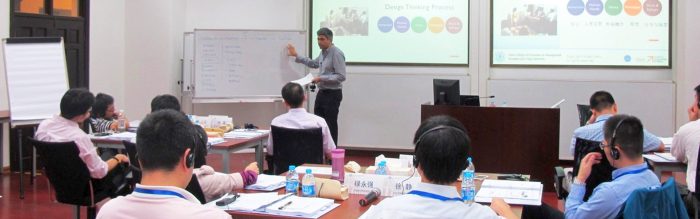
The MBA with Applied Innovation is an advanced degree designed to equip future leaders with the skills necessary to implement innovative strategies effectively within various business environments. In a rapidly changing global marketplace, this program emphasizes the importance of creativity, adaptability, and strategic thinking as key factors for driving organizational success and competitiveness.This program blends traditional business education with a strong focus on innovation, ensuring that students not only learn theoretical principles but also apply them in practical settings.
The curriculum is structured to foster a hands-on approach, enabling students to tackle real-world challenges through innovative solutions. Essential components include courses on design thinking, entrepreneurship, digital transformation, and innovation management, all of which prepare graduates to lead teams and projects that prioritize creative problem-solving.
Core Components of the Curriculum
The curriculum of an MBA with Applied Innovation is carefully curated to include a variety of essential subjects that encourage the practical application of innovative strategies. Key components of the program typically encompass:
- Design Thinking: This course teaches students to approach problems from a user-centered perspective, fostering empathy and creativity to develop effective solutions.
- Entrepreneurial Strategy: Students learn how to develop and implement business strategies that leverage innovative ideas, focusing on practical application to drive growth.
- Technology Management: This component emphasizes the role of technology in innovation, covering topics such as digital transformation and the integration of emerging technologies in business operations.
- Innovation in Marketing: This course explores innovative marketing strategies, including the use of data analytics and social media to reach and engage customers effectively.
- Leadership in Innovation: Students develop leadership skills required to cultivate a culture of innovation within organizations, focusing on team dynamics and change management.
The integration of these components not only enhances theoretical knowledge but also empowers students to apply learned concepts directly within their professional environments.
Industries Benefiting from MBA with Applied Innovation
Various industries stand to gain significantly from the application of principles learned in an MBA with Applied Innovation. These fields often require professionals who can navigate complexity and drive change through innovative solutions. Some notable sectors include:
- Technology: Companies in the tech industry rely on innovation to remain competitive, making this degree particularly valuable for roles in product development and project management.
- Healthcare: This sector increasingly focuses on innovative methods to improve patient care and streamline operations, necessitating leaders who can implement effective changes.
- Finance: Financial institutions are adopting fintech solutions, requiring professionals equipped with innovative strategies to enhance customer service and operational efficiency.
- Retail: The retail industry benefits from creative marketing and customer engagement strategies developed through innovative thinking, particularly in e-commerce.
- Manufacturing: Innovations in supply chain management and production processes are critical for competitiveness, necessitating leaders trained in applied innovation.
The MBA with Applied Innovation not only prepares graduates to excel in these diverse industries, but it also enhances their ability to foster an innovative culture, ultimately contributing to the success and adaptability of their organizations.
Skill Development in MBA with Applied Innovation
The MBA with Applied Innovation is designed to equip students with a unique set of skills that are essential in today’s ever-evolving business landscape. This program emphasizes practical knowledge and innovation, bridging the gap between theory and application. As a result, students not only gain foundational business acumen but also enhance their ability to think creatively and adaptively.The skills developed in an MBA with Applied Innovation differ significantly from those in traditional MBA programs.
While traditional programs often focus on established business principles and quantitative analysis, the applied innovation track prioritizes experiential learning, interdisciplinary collaboration, and innovative problem-solving. This shift cultivates a mindset geared towards identifying and leveraging opportunities in dynamic environments.
Key Skills Developed, MBA with applied innovation
In an MBA with Applied Innovation, students acquire a variety of key skills that are critical for success in modern business contexts. The following skills highlight the distinct focus of this program:
- Creative Problem Solving: Students learn to approach challenges with innovative solutions, using techniques such as design thinking and brainstorming.
- Agile Project Management: This skill enables students to manage projects efficiently in fast-paced environments, adapting to changes and feedback swiftly.
- Collaborative Leadership: Emphasis is placed on leading diverse teams, fostering collaboration, and enhancing team dynamics to drive innovation.
- Data-Driven Decision Making: Students gain proficiency in analyzing data to inform strategic decisions, integrating analytics with creative insights.
- Entrepreneurial Mindset: The program encourages students to think like entrepreneurs, focusing on opportunity recognition and risk management.
The development of these skills is often assessed through various methods that ensure students are not only learning but effectively applying their knowledge.
Methods for Assessing Skill Acquisition
To evaluate the progress of students in acquiring these essential skills, a combination of formative and summative assessment methods is employed. These methods include:
- Project-Based Assessments: Students work on real-world projects that require the application of learned skills, allowing instructors to evaluate both performance and innovation.
- Peer Reviews: Collaborative assignments often include peer evaluations, providing insights into team dynamics and individual contributions.
- Presentations and Pitch Competitions: Students are tasked with presenting their innovative ideas and solutions, which helps assess their communication skills and the viability of their concepts.
- Reflective Journals: Maintaining a reflective journal allows students to articulate their learning experiences and growth, providing instructors with qualitative data on skill development.
- Capstone Projects: A culminating project that integrates all learned skills, demonstrating the student’s ability to innovate and lead in a practical context.
“The ability to innovate is no longer optional; it is a prerequisite for success in today’s business world.”
Real-World Applications of Applied Innovation

The practical implementation of applied innovation serves as a testament to the transformative potential of MBA programs, particularly those focused on innovation. These programs not only equip students with theoretical knowledge but also emphasize real-world applications that can lead to considerable advancements in various industries. The following sections delve into case studies, notable companies, and the challenges organizations face when integrating innovative strategies into their business models.
Successful Case Studies of Applied Innovation
Numerous companies have effectively implemented innovative practices learned from MBA programs, showcasing the practical impact of applied innovation. One exemplary case is that of Procter & Gamble (P&G), which utilized the “Connect + Develop” strategy to foster open innovation. This approach encourages collaboration with external innovators to enhance product development, leading to successful launches such as the Swiffer cleaning system and the Olay Regenerist skincare line.
Through this strategy, P&G has achieved a significant increase in product introductions and has enhanced its market competitiveness.Another notable instance is Tesla, which has revolutionized the automotive industry through its innovative approach to electric vehicles (EVs). By integrating cutting-edge battery technology and software updates, Tesla has set new standards for performance and user experience. The company’s commitment to innovation has resulted not only in increased sales but also in influencing the entire automotive industry toward sustainable practices.
Companies Known for Integrating Applied Innovation
Several companies are recognized for their commitment to integrating applied innovation into their business models. These organizations exemplify how innovation can drive growth and enhance competitive advantage.
- Apple Inc.
-Renowned for its continuous innovation in product design and technology, Apple consistently redefines market expectations with each new product release, such as the iPhone and MacBook lines. - Amazon
-Leveraging technology and data analytics, Amazon has transformed the retail landscape through innovations like one-click shopping and drone delivery systems. - Google
-The company’s emphasis on a culture of creativity and experimentation has led to groundbreaking advancements in areas like artificial intelligence and cloud computing. - Netflix
-Transitioning from DVD rentals to a streaming powerhouse, Netflix employs sophisticated data analysis to inform content creation and enhance user experience. - Airbnb
-Disrupting the hospitality sector, Airbnb’s platform leverages user-generated content and innovative business models to create a unique travel experience.
Challenges Faced by Organizations When Applying Innovation Strategies
While the integration of innovation strategies can yield significant benefits, organizations often encounter various challenges in this pursuit. These challenges can hinder the successful application of innovative practices and must be carefully managed.
“Innovation is not just about technology; it’s about the people and culture that drive it.”
One major challenge is resistance to change within an organization. Employees may be hesitant to adopt new processes or technologies, leading to a lack of engagement and potential failure of the innovation initiative. Additionally, there is often a lack of alignment between innovation leaders and the broader organizational strategy. Without clear communication and support from top management, innovation efforts may falter.Moreover, resource allocation poses a critical challenge.
Organizations must balance investing in innovation with maintaining operational efficiency. Insufficient funding or time constraints can limit the exploration and development of innovative solutions. Lastly, measuring the success of innovation initiatives can be difficult, as traditional metrics may not accurately capture the impact of innovative practices.Through understanding these challenges, organizations can better prepare to embrace innovation and leverage it for sustained growth and success.
Networking Opportunities and Industry Connections

Networking plays a crucial role in the success of MBA programs, particularly those centered on applied innovation. Establishing meaningful relationships within the industry not only enhances the educational experience but also opens doors to professional opportunities. By engaging with peers, faculty, and industry leaders, students can cultivate a robust network that extends beyond the confines of the classroom, providing valuable insights and opportunities for collaboration.Building connections with industry leaders and innovators requires a proactive approach.
Students should engage in various networking strategies that facilitate professional relationships. These strategies include attending industry conferences, participating in workshops, and joining professional organizations related to innovation. Furthermore, leveraging platforms such as LinkedIn can help students connect with alumni and professionals in their desired fields. Active participation in relevant discussion forums and social media groups also fosters connections that can lead to mentorship and collaboration opportunities.
Strategies for Building Connections
To effectively build relationships with industry leaders, students should consider the following strategies:
- Attend networking events: Participating in conferences, trade shows, and seminars allows students to meet industry professionals and gain insights into emerging trends.
- Engage with alumni networks: Alumni can provide mentorship, job leads, and introductions to influential contacts within the industry.
- Leverage social media: Platforms like LinkedIn enable students to connect with industry professionals, share insights, and engage in relevant discussions.
- Seek informational interviews: Reaching out to professionals for informational interviews can provide valuable industry insights and expand one’s network.
- Participate in collaborative projects: Engaging in projects that require teamwork with industry professionals fosters relationships and practical experience.
Internships and collaborative projects are essential components of the MBA program focused on applied innovation, providing students with hands-on experience. These opportunities allow students to apply theoretical knowledge in real-world settings, enhancing their learning and professional readiness. Internships often serve as a bridge between academia and industry, offering students a chance to work on innovative projects alongside experienced professionals.
Internship and Collaborative Project Opportunities
Internships and collaborative projects are invaluable for gaining real-world experience and building a professional network. The benefits of these opportunities include:
- Practical application of knowledge: Internships allow students to implement concepts learned in the classroom in a real-world context.
- Exposure to industry practices: Students gain insights into the operational aspects of businesses and the innovative processes they employ.
- Professional networking: Working alongside industry professionals helps students establish connections that may lead to future job opportunities.
- Skill enhancement: Collaborative projects foster the development of soft skills such as teamwork, communication, and problem-solving, which are crucial for career advancement.
- Potential job offers: Many companies use internships as a recruitment tool, providing students with a pathway to secure full-time employment post-graduation.
The Role of Technology in Applied Innovation
In today’s fast-paced business environment, technology plays a pivotal role in driving applied innovation. Organizations leverage emerging technologies to enhance their operational efficiency, optimize decision-making processes, and deliver superior customer experiences. The integration of innovative tools and solutions not only fosters creativity but also enables businesses to stay competitive in a rapidly evolving marketplace.Emerging technologies significantly influence applied innovation in business practices by enabling new methods of collaboration, data analysis, and product development.
For instance, artificial intelligence (AI) and machine learning are transforming how businesses analyze consumer behavior, allowing for more personalized marketing strategies. Similarly, the Internet of Things (IoT) facilitates real-time data collection from various sources, enhancing operational agility and responsiveness.
Technological Tools Essential for Innovative Business Solutions
To effectively harness the power of technology in applied innovation, businesses must utilize a range of cutting-edge tools. These tools can streamline operations, enhance productivity, and foster innovative thinking. The following are notable technological tools that support innovative business solutions:
- Artificial Intelligence (AI): AI technologies, such as chatbots and predictive analytics, enable businesses to automate repetitive tasks, improve customer interaction, and derive insights from large datasets.
- Cloud Computing: Cloud platforms provide scalability and flexibility, allowing businesses to access resources and collaborate in real-time from anywhere in the world, thus fostering innovation.
- Project Management Software: Tools like Trello and Asana facilitate better project tracking and team collaboration, ensuring that innovative ideas are effectively executed.
- Data Analytics Tools: Software such as Tableau and Google Analytics helps organizations interpret complex data, allowing for informed decision-making and strategy development.
- Blockchain Technology: Blockchain enhances transparency and security in transactions, which can lead to innovative applications in finance, supply chain management, and more.
The impact of digital transformation on traditional business models and practices is profound. Organizations must adapt to the growing expectations of consumers for seamless, digital experiences. Companies like Netflix and Amazon have transformed entire industries by leveraging technology to deliver personalized content and streamline purchasing processes, respectively. Furthermore, the shift towards digitalization compels traditional businesses to rethink their operational models, often leading to the adoption of subscription services, e-commerce platforms, and digital marketing strategies.
As a result, businesses are required to innovate continually to meet the changing demands of the market and to harness technological advancements effectively.
“Organizations that embrace technological advancements are not only able to enhance their current business practices but are also positioned to redefine their industry landscape.”
Career Paths and Opportunities Post-MBA
The pursuit of an MBA with a focus on applied innovation opens numerous avenues for graduates, equipping them with the knowledge and skills necessary to thrive in dynamic business environments. This degree empowers individuals to leverage innovative thinking and practical solutions in their careers, enabling them to adapt to the ever-changing landscape of various industries.Graduates of an MBA with applied innovation can explore a diverse range of career paths that capitalize on their unique skill set.
These roles not only require a profound understanding of business principles but also an aptitude for creativity and problem-solving. Below is a table that highlights potential job roles, required skills, and average salaries in this field.
Comparison of Career Roles in Applied Innovation
The following table Artikels various career roles available to MBA graduates specializing in applied innovation, detailing the essential skills needed for each role as well as the expected average salary.
| Job Role | Required Skills | Average Salary (USD) |
|---|---|---|
| Innovation Manager | Strategic Thinking, Project Management, Market Research | $95,000 |
| Product Development Specialist | Creativity, Technical Writing, User Experience Design | $85,000 |
| Business Analyst | Data Analysis, Problem-Solving, Communication Skills | $80,000 |
| Consultant in Innovation Strategy | Interpersonal Skills, Strategic Planning, Analytical Skills | $120,000 |
| Chief Innovation Officer | Leadership, Visionary Thinking, Change Management | $150,000 |
“In the realm of applied innovation, continuous learning and adaptation are paramount for success.”
The importance of continuous learning and adaptation cannot be overstated in innovative career paths. As industries evolve, professionals must remain abreast of new technologies, methodologies, and market trends. Engaging in lifelong learning through workshops, online courses, and industry conferences is essential for staying competitive. Moreover, adapting to changes in consumer behavior and technological advancements is crucial for maintaining relevance in the field.
Graduates are encouraged to cultivate a mindset of flexibility and resilience, ensuring they can navigate the complexities of their chosen career paths effectively.
Global Perspectives on Innovation in Business
In today’s interconnected world, the approach to innovation in business varies significantly across different cultures. Each region brings unique perspectives shaped by societal values, economic conditions, and historical contexts. Understanding these variations is crucial for businesses aiming to thrive in diverse markets. This section delves into how cultural differences influence applied innovation, the implications of global trends on local business practices, and highlights successful international companies that effectively leverage innovation in various regions.
Cultural Approaches to Applied Innovation
Different cultures exhibit distinct attitudes toward innovation, influencing how businesses implement new ideas. For instance, in collectivist societies, such as Japan, innovation often emphasizes group consensus and long-term relationships, leading to incremental improvements. In contrast, individualistic cultures like those in the United States prioritize disruptive innovation, encouraging risk-taking and entrepreneurial spirit. These cultural characteristics shape not only the innovation processes but also the types of innovations that are embraced.
“Cultural context plays a pivotal role in determining how innovation is perceived and executed.”
Additionally, the impact of global trends significantly shapes local business practices. For example, as sustainability becomes a global priority, businesses worldwide are adopting environmentally friendly practices tailored to their local contexts. Companies in Europe may focus on regulatory compliance and consumer demand for green products, while those in emerging markets might leverage cost-effective innovations to meet local needs.
Successful International Companies Leveraging Innovation
Several international companies exemplify the effective application of innovation in diverse markets. These organizations adapt their strategies to resonate with local cultures while maintaining a global vision.
- Unilever
- Adapting to local tastes has propelled Unilever’s success in various markets. For example, their beauty products are tailored to meet the specific hair care needs of women in Africa, demonstrating a keen understanding of cultural nuances.
- Starbucks
- In entering the Chinese market, Starbucks embraced local customs by offering tea-based beverages and creating a unique social experience that aligns with Chinese dining culture, rather than imposing a purely American coffee shop model.
- Coca-Cola
- Coca-Cola’s ability to localize its marketing strategies has been instrumental in its global reach. The brand regularly launches region-specific campaigns that resonate with local audiences, while maintaining its overall brand identity.
“Innovation is not a one-size-fits-all approach; it requires a nuanced understanding of local cultures and practices.”
By recognizing and adapting to local preferences and trends, these companies have successfully navigated the complexities of global markets while fostering innovation that resonates with a diverse customer base.
Outcome Summary: MBA With Applied Innovation
In conclusion, the MBA with applied innovation prepares graduates to thrive in a rapidly changing world, blending essential skills with innovative practices. This program not only enhances career prospects but also encourages a mindset geared towards continuous improvement and adaptation. As the business landscape continues to evolve, the insights gained from this MBA will empower graduates to make a significant impact in their chosen fields.
Common Queries
What is the primary focus of the MBA with applied innovation?
The primary focus is to equip students with practical skills and innovative strategies that are essential for navigating modern business challenges.
How does this program differ from traditional MBA programs?
This program emphasizes applied innovation and practical experience, contrasting with traditional MBA programs that may focus more on theoretical concepts.
What industries benefit from an MBA with applied innovation?
Industries such as technology, healthcare, finance, and consumer goods benefit significantly from the innovative approaches taught in this MBA program.
Are there opportunities for internships in this program?
Yes, students have access to various internship opportunities that enhance their real-world experience and networking connections.
What career paths are available after completing this MBA?
Graduates can pursue careers in innovation management, business development, consulting, and entrepreneurship, among others.