Sustainability MBA programs are becoming increasingly vital in today’s business landscape, as they equip future leaders with the skills necessary to address pressing environmental challenges. These specialized programs integrate sustainable practices into traditional business curriculums, emphasizing the importance of environmental responsibility and ethical decision-making in various sectors. By focusing on sustainability, these programs not only enhance business education but also prepare graduates to lead transformative initiatives in their respective fields.
The curriculum typically includes courses that blend core business disciplines with sustainability principles, fostering a comprehensive understanding of the interplay between economic growth and environmental stewardship. Elective courses on environmental management further enrich the learning experience, providing students with practical tools to drive sustainable practices in organizations.
Overview of Sustainability MBA Programs
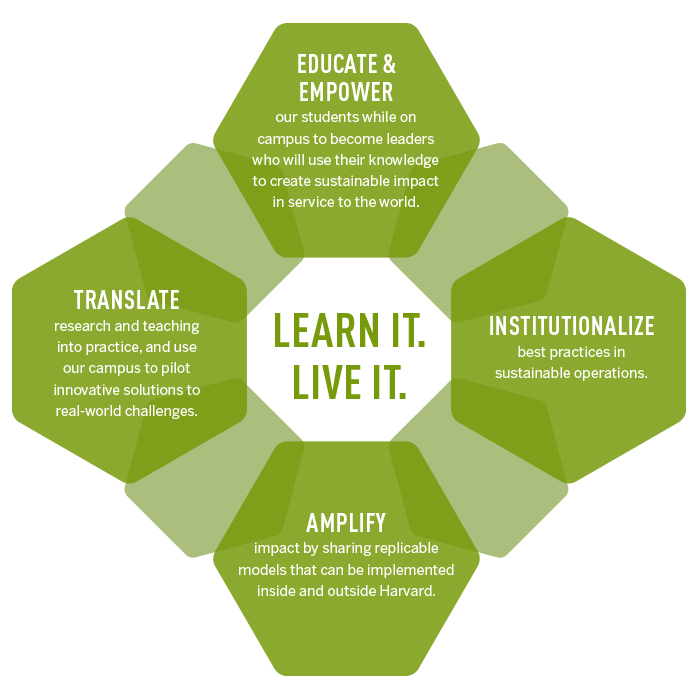
Sustainability MBA programs represent an innovative approach to business education, focusing on the intersection of business practices and environmental stewardship. These programs equip students with the knowledge and tools necessary to address pressing global challenges, emphasizing sustainable practices that contribute to both economic success and ecological preservation. The importance of sustainability in the business education sector has grown significantly in recent years, driven by increasing awareness of environmental issues, social responsibility, and the long-term viability of businesses.
Sustainability MBA programs aim to cultivate leaders who can navigate complex sustainability challenges and implement strategies that align with the principles of sustainable development.
Key Characteristics of Sustainability MBA Programs
Sustainability MBA programs differ from traditional MBA programs in several critical ways, reflecting a distinctive focus on sustainability principles. These characteristics enhance the educational experience and prepare graduates for the evolving demands of the global marketplace. One notable distinction is the curriculum, which typically includes specialized courses such as sustainable business practices, corporate social responsibility, and environmental economics. This tailored approach ensures that students gain a comprehensive understanding of how sustainability can be integrated into various business models.
In addition, experiential learning opportunities are often central to these programs. Many sustainability MBA programs emphasize hands-on projects, case studies, and internships with organizations committed to sustainability. This practical experience allows students to apply theoretical concepts in real-world contexts, fostering a deeper understanding of the challenges and opportunities in sustainable business.Networking opportunities also play a significant role in these programs.
Students often interact with industry leaders, sustainability experts, and alumni who are already making an impact in the field. Such connections can provide valuable insights and open doors for future career advancements.The focus on interdisciplinary learning sets sustainability MBA programs apart as well. Students learn to collaborate across various fields, integrating perspectives from environmental science, social sciences, and business management.
This holistic approach is crucial for developing well-rounded leaders capable of implementing effective sustainability strategies.
“Sustainability in business is not just a trend; it is a necessary evolution that addresses the needs of the present without compromising the ability of future generations to meet their own needs.”
Curriculum Structure: Sustainability Mba Programs
The curriculum structure of Sustainability MBA programs is designed to provide students with a comprehensive understanding of how sustainability principles can be integrated into various business practices. This structure typically includes a blend of core courses that cover fundamental business disciplines, alongside specialized courses that focus on sustainability issues. The aim is to equip future leaders with the skills necessary to drive sustainable innovation in their organizations.In Sustainability MBA programs, sustainability concepts are seamlessly woven into core business disciplines such as finance, marketing, operations, and management.
This integration ensures that students grasp the relevance of sustainability across multiple facets of business. For instance, finance courses may cover sustainable investment strategies, while marketing modules might explore sustainable branding and consumer behavior. The multifaceted approach enables students to apply sustainability principles holistically within their future careers.
Typical Courses Included in Sustainability MBA Programs
The curriculum of Sustainability MBA programs generally encompasses a range of courses that build a robust foundation in both business acumen and sustainability practices. Below are key courses commonly found in these programs, reflecting the interdisciplinary nature of sustainability:
- Corporate Sustainability Strategy: This course focuses on developing comprehensive strategies that align business objectives with sustainable practices, encouraging innovation and ethical decision-making.
- Sustainable Operations Management: Students learn techniques to optimize supply chains and production processes while minimizing environmental impact and enhancing efficiency.
- Environmental Economics: This course examines economic principles in relation to environmental policy, exploring cost-benefit analyses of sustainability initiatives.
- Sustainable Marketing: This course discusses strategies for promoting sustainable products and services, emphasizing consumer trends towards ethical consumption.
- Social Entrepreneurship: Students study the intersection of business and social impact, learning how to create ventures that address societal challenges sustainably.
Integration of Sustainability Concepts into Core Business Disciplines
The integration of sustainability concepts into core business disciplines is critical for preparing students to meet the challenges faced by modern organizations. Each discipline incorporates sustainability themes in unique ways, ensuring that students develop a nuanced understanding of their business environment.Core business courses are enhanced with sustainability-focused content, allowing students to see the interconnectedness of business practices and environmental stewardship.
For example, financial management courses may emphasize the importance of sustainability reporting and ESG (Environmental, Social, and Governance) metrics. In management courses, students explore leadership styles that promote sustainability within corporate cultures. Such integration not only enriches the learning experience but also prepares students to implement sustainable practices in various organizational contexts.
Elective Courses Focused on Environmental Management
Elective courses offer students the opportunity to delve deeper into specific areas of sustainability, particularly in environmental management. These courses enable students to tailor their education to their interests and career goals. Examples of elective courses that focus on environmental management include:
- Renewable Energy Management: This course examines the principles and technologies behind renewable energy sources, preparing students to manage projects in the green energy sector.
- Water Resource Management: Focusing on sustainable practices related to water use, this course addresses the challenges of water scarcity and management in business contexts.
- Climate Change and Business: Students explore the impacts of climate change on business operations and strategies for mitigation and adaptation.
- Waste Management and Circular Economy: This course covers strategies for reducing waste through recycling, upcycling, and other sustainable practices in business.
- Green Building and Sustainable Design: Focusing on sustainable architecture and design principles, this course equips students with the knowledge to develop environmentally friendly buildings.
Career Opportunities
Graduates of sustainability MBA programs are well-equipped to pursue a variety of career paths that are increasingly relevant in today’s environmentally conscious marketplace. These programs provide students with the knowledge and skills necessary to address the complex challenges of sustainability in various sectors, positioning them for rewarding roles that contribute positively to both businesses and society.The demand for sustainability professionals is on the rise across multiple industries, reflecting a growing recognition of the importance of sustainable practices.
Companies are increasingly looking to integrate sustainability into their operations to enhance efficiency, comply with regulations, and meet consumer demand for responsible business practices. As a result, graduates can find opportunities in sectors such as renewable energy, corporate social responsibility, sustainable finance, and environmental consulting.
Potential Career Paths
The career paths available to graduates of sustainability MBA programs are diverse and impactful. Below are some of the prominent roles that these professionals may pursue:
- Sustainability Consultant: Providing expert advice to organizations on how to implement sustainable practices and improve their environmental impact.
- Corporate Sustainability Manager: Overseeing sustainability initiatives within a corporation, ensuring alignment with the company’s goals and stakeholder expectations.
- Environmental Policy Analyst: Analyzing and developing policies aimed at addressing environmental issues, working with government agencies or NGOs.
- Renewable Energy Project Manager: Leading projects related to the development and implementation of renewable energy solutions, such as solar and wind power.
- Green Marketing Specialist: Crafting marketing strategies that promote sustainable products and services while appealing to environmentally conscious consumers.
The growing emphasis on sustainability across various industries indicates that these roles are not only vital but also increasingly in demand. Organizations are recognizing that sustainability can drive innovation and create competitive advantages, further fueling the need for skilled professionals in this area.
Success Stories of Notable Alumni
Many alumni from sustainability MBA programs have made remarkable strides in their careers, demonstrating the significant impact that trained professionals can have in promoting sustainable practices. Their achievements serve as inspiration and proof of the value of a sustainability-focused education.
For those seeking to enhance their professional qualifications, exploring weekend MBA programs can provide a flexible solution. These programs allow busy professionals to pursue advanced education without sacrificing their work commitments, making them an excellent choice for career advancement. Balancing education and work is challenging, but weekend formats offer a practical path to achieving your goals.
“Sustainability is not just a trend; it is the foundation of future business.” – An alumnus of a leading sustainability MBA program who has successfully launched a startup focused on sustainable packaging solutions.
Alumni from these programs have secured influential positions in various organizations. For instance, one graduate became the Chief Sustainability Officer at a Fortune 500 company, leading initiatives that reduced the company’s carbon footprint by 30% within five years. Another notable alumnus founded a nonprofit organization dedicated to promoting sustainable agricultural practices, receiving grants and accolades for their impactful work.These success stories highlight the diverse opportunities available to graduates and the tangible impact they can make in advancing sustainability within businesses and communities.
The skills and knowledge gained through sustainability MBA programs empower these individuals to lead significant change in their respective fields.
Case Studies of Leading Programs
The pursuit of sustainability in business education is exemplified by the growing number of MBA programs dedicated to this mission. Several leading institutions have developed robust sustainability MBA offerings, each with its distinct approach and features that appeal to prospective students. This section provides a comparative analysis of these top programs, emphasizing their unique attributes, experiential learning opportunities, and the influence of program rankings on student choices.
Comparison of Top Institutions
A variety of prestigious institutions have established themselves as frontrunners in sustainability-focused MBA programs. Each institution brings a unique perspective to sustainability education, catering to a diverse student body and industry needs. The following table illustrates key elements of some of the most recognized programs:
| Institution | Program Name | Unique Features |
|---|---|---|
| Stanford University | Stanford MBA with a Sustainability Focus | Entrepreneurship and Innovation Labs, interdisciplinary projects |
| Wharton School, University of Pennsylvania | MBA Major in Environmental Sustainability | Collaborations with the Wharton Social Impact Initiative, courses in sustainable finance |
| University of Michigan | Erb Institute Dual Degree Program | Combination of MBA and Master of Science in Environment and Sustainability, hands-on consulting projects |
| London Business School | Global MBA – Sustainability Specialization | International study trips, partnerships with global organizations focused on sustainability |
Unique Features of Selected Programs
Experiential learning opportunities are a hallmark of many sustainability MBA programs, allowing students to apply theoretical knowledge in real-world contexts. The ability to engage with actual sustainability challenges enhances educational outcomes and prepares graduates for impactful careers. Notable features include:
- Stanford University: Offers Entrepreneurship and Innovation Labs where students can work on developing sustainable business solutions with real companies.
- University of Michigan: The Erb Institute allows students to participate in consulting projects that address corporate sustainability challenges, providing practical experience alongside academic rigor.
- Wharton School: Its collaboration with the Wharton Social Impact Initiative enables students to engage in projects that assess and develop sustainable business strategies.
- London Business School: Emphasizes global engagement through study trips that connect students with sustainability leaders and initiatives worldwide.
Impact of Program Rankings on Student Choices
The reputation and ranking of sustainability MBA programs play a crucial role in influencing student decisions. High rankings not only enhance the perceived value of the degree but also impact employment opportunities post-graduation. Rankings are often based on criteria such as faculty quality, research output, student satisfaction, and career outcomes. A study conducted by the Financial Times highlights that graduates from top-ranked programs tend to secure positions in leading firms with higher starting salaries compared to their peers from lower-ranked institutions.
The allure of prestigious rankings can lead prospective students to prioritize institutions with strong sustainability credentials, thereby shaping their educational and career trajectories.In summary, the diversity and unique offerings of leading sustainability MBA programs illustrate the vital role these institutions play in preparing future leaders to tackle pressing environmental challenges while fostering sustainable business practices.
Challenges and Critiques
Sustainability MBA programs, while increasingly popular, face a variety of challenges and critiques that must be addressed for their continued development and effectiveness. These criticisms often stem from the perceived effectiveness of the programs, the difficulties in implementing sustainability practices within traditional business structures, and the evolving nature of sustainability itself.One common criticism of sustainability MBA programs is that they may lack rigor when compared to traditional MBA programs.
Critics argue that the focus on sustainability can sometimes lead to a dilution of core business education, which could leave graduates ill-equipped to tackle conventional business challenges. Moreover, some institutions have been accused of marketing their programs as “green” without substantial commitment to sustainability principles in their curricula or operations.
Challenges of Integrating Sustainability into Business Practices, Sustainability mba programs
Integrating sustainability into business practices presents multifaceted challenges that can hinder the effectiveness of sustainability MBA programs. These challenges include:
- Resistance to Change: Many organizations are deeply entrenched in traditional business models, leading to resistance when attempting to integrate sustainable practices.
- Lack of Clear Metrics: There are few standardized metrics for measuring sustainability outcomes, making it difficult for businesses to assess the impact of their initiatives effectively.
- Short-term Focus: The pressure for immediate financial returns often overshadows the long-term benefits of sustainable practices, creating reluctance in decision-making.
- Resource Constraints: Smaller organizations may lack the necessary resources or expertise to implement comprehensive sustainability strategies.
- Complexity of Implementation: Sustainability encompasses a wide range of areas, from environmental impact to social equity, making comprehensive integration complex and challenging.
As programs adapt to these challenges, they are proactively enhancing their curricula by incorporating real-world projects and case studies that emphasize practical application. For instance, partnerships with businesses committed to sustainability allow students to engage in hands-on learning experiences, bridging the gap between theory and practice.
Addressing Critiques and Challenges in Programs
To counter criticisms and effectively tackle the challenges in integrating sustainability into business practices, many sustainability MBA programs are adopting innovative approaches. These include:
- Collaboration with Industry Leaders: Programs are partnering with organizations recognized for their sustainability efforts to provide students with insights into successful practices and strategies.
- Focus on Interdisciplinary Learning: By incorporating diverse disciplines such as environmental science, economics, and social policy, programs create a more well-rounded educational experience.
- Enhanced Curriculum Design: Integrating sustainability into core business subjects rather than isolating it into a separate course allows for a more comprehensive understanding of its importance.
- Emphasis on Innovation and Entrepreneurship: Encouraging students to develop innovative solutions to societal challenges fosters a mindset conducive to sustainability-oriented business practices.
- Continuous Evaluation and Feedback: Programs are regularly revising their curricula based on feedback from alumni and industry partners to stay relevant and effective.
By actively responding to critiques and challenges, sustainability MBA programs are positioning themselves to generate responsible business leaders who can drive meaningful change in the corporate world.
Future Trends in Sustainability Education
The landscape of sustainability education is constantly evolving, influenced by a variety of factors including societal expectations, technological advancements, and corporate accountability. As businesses increasingly recognize the importance of sustainable practices, MBA programs focused on sustainability are adapting to prepare future leaders for the challenges ahead. Emerging trends are reshaping the way sustainability is taught, emphasizing not only environmental stewardship but also social and economic dimensions.
Emerging Trends in Sustainability MBA Programs
A number of significant trends are influencing the direction of sustainability MBA programs. These trends reflect the growing recognition of the interconnectedness of business, society, and the environment. Important factors include:
- Interdisciplinary Approaches: Programs are increasingly integrating various disciplines such as environmental science, social sciences, and economics to provide a holistic view of sustainability challenges.
- Global Perspectives: With climate change being a global issue, programs now emphasize international case studies and collaboration across borders, preparing students to think globally while acting locally.
- Focus on Circular Economy: Educational frameworks are shifting towards circular economy principles, encouraging innovative thinking about resource use, waste management, and sustainable production.
Role of Technology in Shaping Future Curricula
The integration of technology is transforming the way sustainability education is delivered and experienced. This evolution is characterized by:
- Digital Learning Platforms: Online courses and MOOCs (Massive Open Online Courses) are making sustainability education more accessible, allowing students to learn flexibly and from a wide array of global experts.
- Data Analytics: The use of big data and analytics is becoming essential in understanding sustainability metrics, enabling students to make informed decisions based on empirical evidence.
- Simulation Tools: Programs increasingly incorporate simulation software that allows students to model environmental impacts and test the outcomes of various business strategies in real-time.
Importance of Corporate Social Responsibility in Business Education
Corporate social responsibility (CSR) is becoming a critical component of business education, particularly within sustainability MBA programs. This shift underscores the recognition that ethical considerations are integral to business success.
- Integration of CSR in Core Curriculum: Many programs are now embedding CSR into core courses, ensuring that all graduates understand its importance in the business landscape.
- Case Studies of Responsible Companies: Analyzing successful CSR strategies from leading companies helps students learn the practical implications of corporate responsibility.
- Partnerships with Industry: Collaborations with businesses that prioritize CSR provide students with real-world experience and opportunities to engage in projects that contribute to societal betterment.
Practical Applications and Projects

In Sustainability MBA programs, practical applications and projects play a crucial role in bridging the gap between theoretical knowledge and real-world implementation. These experiences not only enhance students’ learning but also contribute to meaningful sustainability initiatives within communities and organizations. Engaging in hands-on projects allows students to apply their skills in real-world scenarios, fostering innovation and collaboration.Many programs emphasize experiential learning through various types of hands-on projects.
These projects can range from consulting assignments with local businesses to extensive field studies and community engagement initiatives. Such practical experiences are essential for developing the problem-solving skills required to navigate the complexities of sustainability challenges.
Types of Hands-on Projects
Students in Sustainability MBA programs frequently engage in a variety of hands-on projects that provide them with an opportunity to apply theoretical knowledge to practical situations. Common types of projects include:
- Consulting Projects: Students partner with businesses or non-profits to assess sustainability practices, develop strategies, and implement solutions for reducing environmental impact.
- Community Engagement Initiatives: Projects often involve working with local communities to promote sustainable practices, such as waste reduction and energy efficiency.
- Research Projects: Students conduct research on sustainability trends, policies, and technologies, often in collaboration with industry leaders or governmental organizations.
- Sustainable Business Plans: Developing comprehensive business plans for startups or existing companies focused on sustainability can serve as a capstone project, integrating various aspects of the curriculum.
Partnerships between universities and businesses are fundamental to the success of these programs. These collaborations not only provide students with exposure to real-world challenges but also facilitate the transfer of knowledge and ideas between academia and the business sector. Such partnerships can lead to significant real-world impact, as they often result in actionable solutions to pressing sustainability issues.
Successful Sustainability Initiatives Led by Students
Numerous examples illustrate the effectiveness of student-led sustainability initiatives. These projects often result in innovative solutions and measurable outcomes that benefit the community and the environment. One notable example is a project undertaken by students at a prominent business school, where they collaborated with a local urban farm. The students developed a marketing strategy to increase the farm’s visibility and sales, while also implementing sustainable growing practices that reduced water usage by 30%.Another exemplary initiative involved a group of MBA students who partnered with a multinational company to assess its supply chain for sustainability impacts.
Their recommendations led to a 25% reduction in carbon emissions through optimized logistics and sourcing practices.
“The most valuable learning occurs when students engage directly with the challenges facing our planet and communities, empowering them to drive change.”
These examples highlight the importance of practical applications and the impact that hands-on projects can have on both students and their communities. By participating in these initiatives, students not only gain invaluable experience but also contribute to a more sustainable future.
Global Perspectives

Sustainability MBA programs are increasingly designed to address pressing global challenges that transcend national borders. These programs emphasize the interconnectedness of environmental, social, and economic issues, equipping students with the skills to develop holistic solutions that are applicable on a global scale. By fostering an understanding of global sustainability challenges, such as climate change, resource scarcity, and social inequality, these programs prepare future leaders to navigate complex international landscapes.Sustainability MBA programs actively incorporate international collaborations and cross-border learning experiences.
This is achieved through partnerships with global institutions, international case studies, and exchange programs that provide students with exposure to diverse perspectives and practices in sustainability. Such collaborations enable students to understand how sustainability initiatives can vary significantly based on geographical, cultural, and economic contexts. By participating in these cooperative efforts, students not only benefit from shared knowledge but also contribute to building a more sustainable global community.
International Collaborations and Cross-Border Learning Experiences
International collaborations play a crucial role in enriching the educational experience of sustainability MBA students. These partnerships often involve joint research projects, global internships, and participation in international sustainability conferences. The following points highlight the significance of these collaborations:
- Joint Research Initiatives: Universities partner with international organizations to conduct research on global sustainability issues, facilitating knowledge exchange and innovation.
- Cultural Exchange Programs: Students participate in cultural exchange initiatives, which enhance their understanding of different approaches to sustainability across various regions.
- Global Internships: Opportunities to intern with multinational organizations enable students to experience real-world sustainability challenges and solutions in diverse settings.
- Collaborative Workshops: Workshops that involve students from multiple countries foster dialogue and the sharing of innovative sustainability practices.
The importance of cultural considerations in sustainability practices cannot be overstated. Understanding local customs, values, and socio-economic conditions is essential for developing effective sustainability strategies. Cultural sensitivity ensures that initiatives are not only environmentally friendly but also socially equitable and economically viable. By integrating cultural perspectives into sustainability education, MBA programs prepare students to craft solutions that are respectful of local traditions and conducive to long-term positive impacts.
Maintaining a clean home can be a daunting task, especially for those with busy schedules. Fortunately, finding reliable home cleaning services near me can help alleviate this burden. Professional cleaners can ensure your home remains tidy and welcoming, allowing you to focus on other important aspects of your life without the stress of housework.
“The local context significantly influences the success of sustainability initiatives. Cultural understanding is key to achieving meaningful change.”
Sustainability MBA programs emphasize the need for cultural competence, which involves recognizing and valuing the diverse worldviews that shape sustainability practices. This competence enables students to work effectively in multicultural teams and engage with stakeholders from various backgrounds, ultimately driving more effective and inclusive sustainability outcomes.
Ultimate Conclusion
In summary, sustainability MBA programs play a crucial role in shaping a new generation of business leaders who are committed to fostering positive environmental change. As these programs continue to evolve, they address the challenges of integrating sustainability into business practices and respond to the growing demand for professionals equipped with the knowledge and skills to lead in this vital area.
The future of business education is undoubtedly intertwined with sustainability, paving the way for innovative solutions to global challenges.
Essential Questionnaire
What is the main focus of sustainability MBA programs?
The main focus is to integrate sustainability principles into business education, preparing graduates to drive responsible and ethical practices in various industries.
How do sustainability MBA programs differ from traditional MBA programs?
Sustainability MBA programs specifically emphasize environmental stewardship and social responsibility, while traditional MBA programs may not prioritize these aspects.
What career opportunities are available for graduates of sustainability MBA programs?
Graduates can pursue careers in environmental consulting, corporate social responsibility, sustainable finance, and other sectors focused on sustainable practices.
Are sustainability MBA programs recognized globally?
Yes, many sustainability MBA programs are recognized internationally, often collaborating with global organizations to enhance their curricula and learning experiences.
What types of hands-on projects do students undertake?
Students typically engage in real-world projects, often in partnership with businesses, to implement sustainable initiatives and address environmental challenges.